
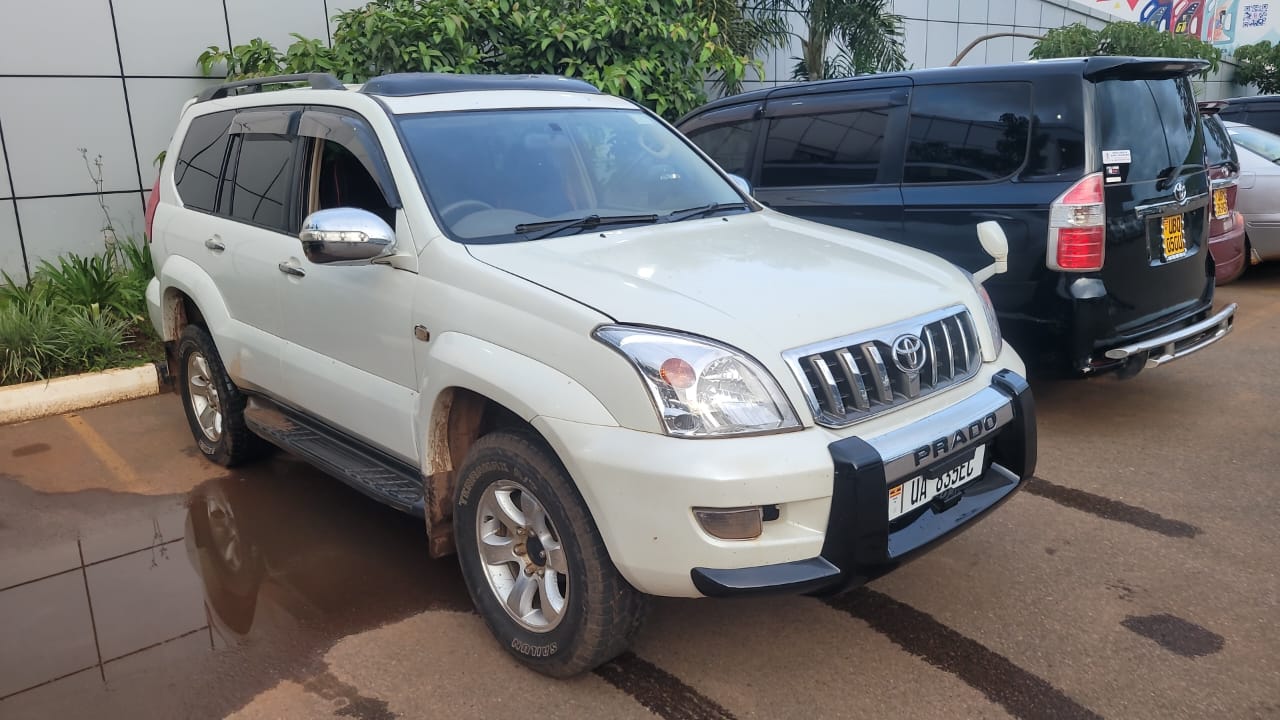
4×4 car rental in Uganda remains one of the cheapest and most reliable way you can explore the country and so much that’s within her boundaries with ease.
Whether you are visiting as a family or couple, a rental car will take you where public transport doesn’t reach. Making It the best option if you need to discover Uganda’s hidden gems.
But renting a car for the first time raises a lot of practical questions: which vehicle do you actually need, what documents do you need to bring, how much deposit should you expect, and what should you check before you drive off the lot?
In this guide, we take you through the overall process, step by step, so you can book with confidence and avoid the mistakes that catch first-time self-drive travelers off guard.
Step 1: Decide If You Actually Need a 4×4
Not every Uganda itinerary requires full off-road capability. It depends on where you’re going and when.
Sticking to tarmac and main routes: Planning to go through Kampala, Entebbe, Jinja, main roads to Queen Elizabeth or Murchison Falls in dry season? A compact 4×4 like a Toyota RAV4 is usually enough, and it’s noticeably cheaper on fuel.
Heading into rougher terrain: Bwindi Impenetrable Forest, Kidepo Valley, remote park tracks, or travelling in the rainy season (March–May or October–November), then you will want a Toyota Land Cruiser Prado or a Safari Land Cruiser with high ground clearance and a low-range transfer case.
Overlanding or camping: safari-equipped Land Cruisers with rooftop tents, recovery gear, and extra fuel/water capacity are built specifically for multi-day off-grid routes.
If you’re unsure, describe your route to our reservations team before booking and within a five-minute call, it will save you a very difficult day on a muddy track in the wrong car.
Step 2: Gather the Right Documents
Before you can rent and drive a 4×4 in Uganda, have these ready:
- A valid national driving license: This is required to confirm that you are certified and have the required training to drive on the road. Your driving license should have been held for at least 1–2 years
- An International Driving Permit (IDP): not strictly mandatory for stays under 90 days if your license is in English, but strongly recommended, and effectively required if it isn’t in English
- Your passport: with a valid Uganda visa or entry stamp
The minimum age limit of the driver should be between 21 – 25 years.
Step 3: Understanding Car rental Uganda prices and Insurance
4×4 car rental Uganda pricing varies by vehicle class, the time of the year you are traveling, number of people, and your destination. Below are our updated 2026/2027 rates;
Vehicle | Self drive rates/USD | Best For |
Toyota RAV4 | $40/PER DAY | City use, dry-season parks, couples & small families |
Land Cruiser Prado | $60/per day | Moderate off-road, small groups, more comfort |
Land Cruiser Hardtop | $140 per day | Remote parks, overlanding, rooftop tent camping |
Safari Van with driver | $100 per day | Group safaris, family traveling together |
Land Cruiser with rooftop tent | $80 per day- $120 per day | Camping safaris in the wild |
Beyond the daily rate, budget for:
A refundable security deposit: For travelers planning to hire a safari Land Cruiser on a self drive basis, you will pay a refundable deposit of $1000 held on a card or in cash and returned if the vehicle comes back undamaged.
Fuel: This is never included in the daily car rental Uganda rate.
Insurance excess (deductible): This varies from car to car. And this is only asked for once damage on the car is beyond what can be covered by the insurance company
Discounts: For weekly or monthly rentals, we have outstanding discounts that you will be able to enjoy regardless of the car type you will take.
What’s bundled into your quote: unlimited mileage, comprehensive insurance, 24/7 breakdown support, and airport pickup/drop-off are INCLUDED.
Step 4: Choose Self drive in Uganda or a Car hire Uganda
Self drive gives you full control of your pace and route, and is generally the cheaper option. This is popular with confident travelers who are comfortable driving on the left in unfamiliar terrain.
Chauffeur-driven is worth considering for first-time visitors, remote routes, or travelers who’d rather focus on the scenery than the road. A local driver typically knows the checkpoints, shortcuts, and current road conditions, and doubles as an informal guide.
Step 5: Inspect the Vehicle Before You Drive Off
This step gets skipped more than any other, and it’s the most important thing that protects you from paying for damages or scratches that you don’t own. Before signing anything:
Walk around the vehicle and photograph any existing scratches, dents, or windscreen chips
Confirm the spare tire, jack, and wheel spanner are present and usable
Check tires, brakes, headlights, and indicators
Ask for recovery gear (tow rope, warning triangle, first aid kit) if you’re heading off tarmac
Request a short briefing on 4WD engagement (high/low range) and tire-change procedure if you’re new to it
Confirm the vehicle has documented recent servicing
Step 6: Know the Road Rules Before You Set Off
A few essentials that catch first-time drivers off guard:
Uganda drives on the left, with right-hand-drive vehicles which is the opposite of the US and much of mainland Europe.
Speed limits are 50 km/h in urban areas and 80 km/h on highways, though enforcement and signage vary.
Police checkpoints are routine. Pull over when asked, stay polite and cooperative, and keep your license, IDP, rental agreement, and insurance documents within reach.
Common hazards: boda-bodas (motorcycle taxis) weaving unpredictably, minibuses stopping without warning, potholes (worse in the rainy season), and livestock crossing rural roads.
Avoid night driving wherever possible: rural roads are often unlit, poorly marked, and share space with pedestrians and animals. Plan to reach your destination before sunset.
Step 7: Book, Confirm, and Go
Once you’ve settled on a vehicle and understood the costs:
- Share your route/itinerary so the company can confirm the vehicle suits it
- Send your license and passport details to complete the booking
- Confirm your pickup point — Entebbe Airport, Kampala, or another location
- Pay the deposit and get written confirmation of the rate, inclusions, and insurance terms
- Do your vehicle inspection at pickup, then hit the road
Fill Up and Book Your Car Now
Frequently Asked Questions
Do I need a 4×4 to drive in Uganda?
Not for every trip. Main roads to popular parks are manageable in a compact 4×4 like a RAV4, especially in dry season. Remote parks like Bwindi or Kidepo, and any rainy-season travel, call for a Land Cruiser or Prado with higher clearance.
How much deposit do I need to rent a 4×4 in Uganda?
Expect a refundable security deposit of roughly $500 to $1,500, depending on the vehicle class. It’s returned after the rental if the car is undamaged.
Can I drive myself, or do I need a driver?
Both options exist. Self-drive is cheaper and popular with confident travellers; a chauffeur-driven 4×4 is often better for first-time visitors or remote routes, since a local driver knows the roads and current conditions.
What documents do I need to rent a car in Uganda?
A valid national driving license, an International Driving Permit (recommended, and effectively required if your license isn’t in English), and your passport with a valid Uganda visa or entry stamp.
What’s the difference between renting a RAV4 and a Land Cruiser?
A RAV4 is cheaper and more fuel-efficient, suited to city driving and dry-season park roads. A Land Cruiser or Prado has more ground clearance and off-road capability, better suited to rough terrain, remote parks, and rainy-season conditions.
Ready to Rent Your 4×4?
Renting a 4×4 in Uganda is straightforward once you know what to check: the right vehicle for your route, your documents in order, a clear understanding of the deposit and insurance, and a proper inspection before you drive off. Get those right, and the vehicle becomes the easy part of the trip.